Transform Your Space: Crucial Insights About Home Remodeling Services for Every Homeowner
Homeowners often seek ways to improve their homes by using renovation services. Such undertakings may vary from small kitchen fixes to full house remodeling. Understanding the options available is essential for deciding wisely. Moreover, one must consider tangible aspects like budgeting and choosing the right builder. As homeowners commence on this journey, they could face unexpected challenges. The key to a successful transformation requires careful planning and implementation. What are the next necessary steps?
Knowing the Various Categories of Residential Renovation Work

When property owners think about upgrading their residences, they often encounter numerous renovation options tailored to different needs and preferences. These services can be broadly categorized into several types, each focusing on particular areas of home improvement. Kitchen renovations center on updating appliances, storage units, and floor plans to enhance functionality and the look. Bathroom upgrades generally mean updating the hardware, tiling, and shelving options for greater ease and visual flair.
Full-house renovation covers major alterations across the property, frequently involving changing the structure to optimize space and layout. External improvement work, conversely, concentrate on enhancing curb appeal, addressing siding, the covering, and the garden design. Moreover, niche projects including converting the cellar and upgrading the attic allow homeowners to maximize neglected parts of the home. Each type of remodeling service delivers specific perks, letting residents pick services that match their goals for their home life. Grasping these differences is vital for choosing wisely during the renovation process.
Setting a Realistic Budget for Your Renovation Undertaking
How do property owners make certain their remodeling projects remain economically sound? Developing an achievable budget is essential. Property owners must start by assessing their monetary resources, including savings and potential financing make a move options. This preliminary action will help determine the funds available for the renovation without compromising other financial responsibilities.
Next, homeowners must look into the financial requirements of their intended changes, including materials, labor, and surprise expenses that tend to crop up. Creating a detailed list of priorities will assist in separating necessities from non-essential items, allowing for adjustments if the budget tightens.
It's wise to include a contingency fund, typically around 10-20% of the total budget, to cover unexpected costs. Periodically examining and tweaking the budget as the updating work progresses can also help maintain financial control. Ultimately, a well-planned budget does more than just confirm the project can be done but also enhances the overall remodeling experience for property owners.
Selecting the Appropriate Contractor for Your Requirements.
Choosing the appropriate professional can significantly affect the outcome of an updating effort. It is recommended that homeowners start by doing comprehensive research, looking for suggestions from acquaintances, relatives, or web feedback. It is essential to confirm documentation, like licenses, insurance, and bonds, to confirm legitimacy.
Once potential contractors are identified, they should seek detailed cost breakdowns and timeframes, facilitating well-grounded side-by-side evaluations. Discussions reveal their approach to dialogue and their level of expertise, that are key to a cooperative effort.
Furthermore, examining previous work via portfolios or referrals can reveal a contractor's quality of workmanship. It is wise to question them regarding warranties or safeguards, which shows the professional's belief in their output.
Ultimately, selecting a contractor who aligns with the homeowner’s vision, budget, and timeline creates a better renovation journey, ensuring the work fulfills requirements and transforms the living space effectively.
Organizing and Conceptualizing Your Perfect Area.
As those renovating imagine their desired rooms, careful planning and thoughtful design form vital parts of an effective updating job. The initial phase includes assessing present requirements and long-term goals, allowing for a thorough understanding of how the space will be used. It is important for homeowners to weigh functionality, aesthetics, and personal style, making sure the design captures their unique preferences.
Next, creating a detailed budget is vital. This budget should accommodate materials, labor, and possible unexpected costs. Consulting with design experts can offer helpful perspectives, aiding in maximizing the area while sticking to budgetary constraints.
Integrating components like ample daylight, open layouts, and sustainable materials can enhance the overall experience. Lastly, seeing the project via sketches or digital renderings can help perfect concepts before implementation. By thoughtfully tackling the design and planning stage, homeowners can create an inviting, efficient space suited to their way of life.
Navigating Permits and Regulations in Home Remodeling
Familiarizing oneself with the red tape and requirements can be intimidating for homeowners beginning a home improvement project. Every city or county maintains distinct regulations that determine what is allowed during renovations, frequently shaped by area restrictions, building codes, and security requirements. Homeowners must familiarize themselves with local regulations to avoid costly fines or setbacks in the timeline.
Typically, obtaining permits is crucial for significant alterations, such as modifying load-bearing elements or electrical work. This process usually necessitates providing designs for examination and may require inspections at various stages.
Working with a skilled professional can make this procedure easier, as they are often familiar with local codes and can assist with paperwork. It is important for homeowners to communicate regularly with the municipal planning office to guarantee compliance throughout the project. By grasping and navigating these regulations, homeowners can achieve their remodeling goals and maintaining compliance with the law in their renovations.
FAQs
What is the Duration of a Standard Home Renovation?
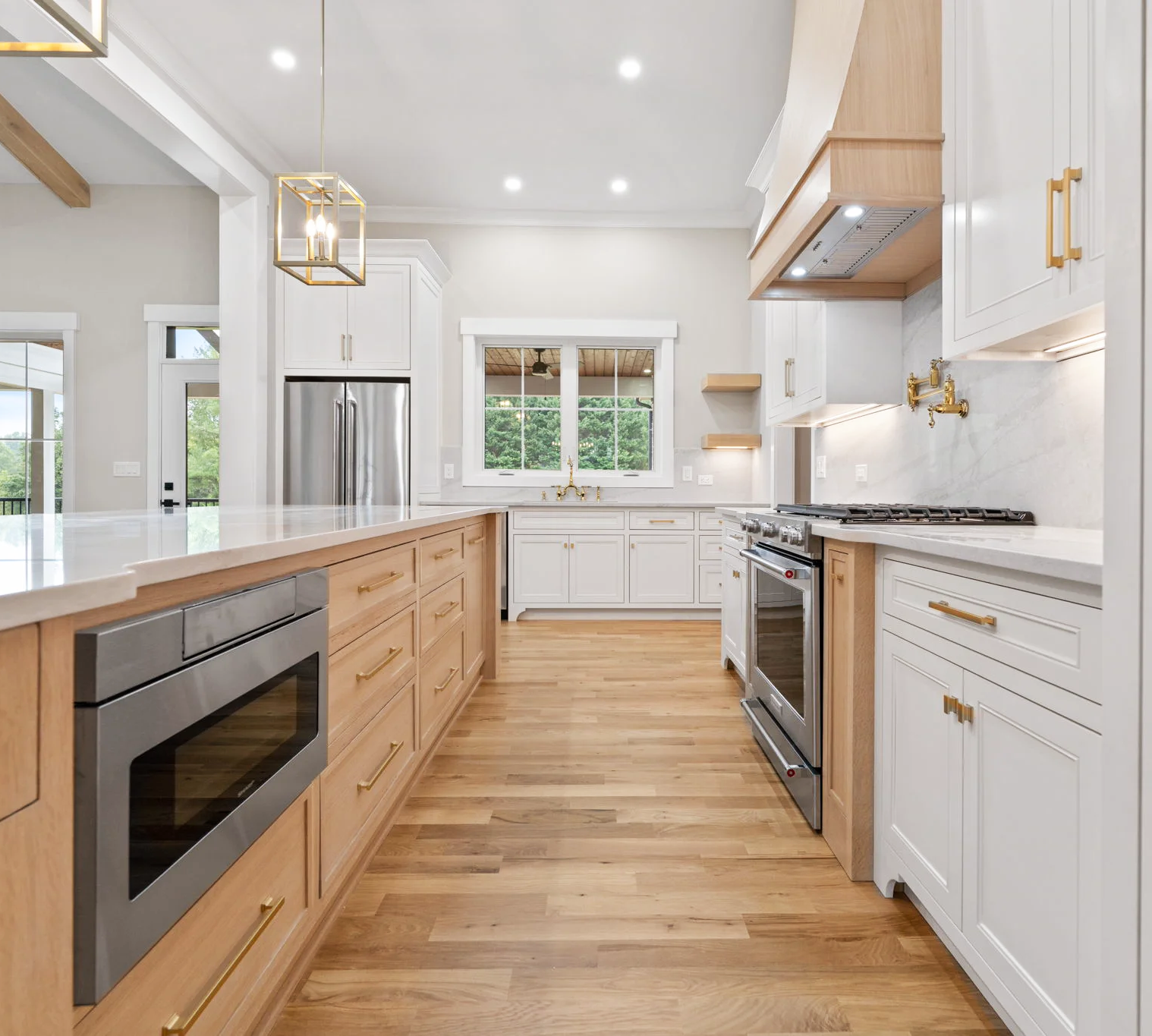
A typical home remodeling project usually takes three to six months on average, based on the size of the job, size of the home, and availability of materials. Complex projects may require additional time for completion.
What are some typical errors you should steer clear of when renovating?
Typical pitfalls in the remodeling process include miscalculating costs, not securing the required permissions, missing scheduled deadlines, poor communication with contractors, and failing to think about long-term functionality. Knowing these potential problems can lead to a smoother, more successful remodeling experience.
What's the best way to select the appropriate materials for the job?
Choosing the right materials means considering how long they will last, visual appeal, and cost constraints. Investigating available choices, talking to specialists, and considering maintenance needs will significantly help to make smart choices, ensuring the project aligns with personal and functional requirements.
Can I live in my home during renovations?
You are able to stay in their home during renovations, but it could be uncomfortable. Careful planning, maintaining open dialogue with your builders, and designating specific areas for essential activities can lessen the stress throughout the project.
What kind of coverage should be provided from remodeling contractors?
Homeowners should expect warranties covering workmanship, the supplies used, and the integrity of the structure, which usually last between one to ten years. It is crucial to review specific terms and conditions with contractors to understand coverage and limitations fully.